The Flower of Life is a timeless symbol of interconnectedness, harmony, and sacred geometry, recognized across many cultures and religions throughout history. Its intricate, overlapping circles create a mesmerizing geometric pattern that resonates with a deep, almost universal sense of order and beauty. The history of the Flower of Life spans thousands of years, with ancient civilizations using it as a powerful representation of life, the universe, and the divine. Understanding the **flower of life symbol origin** offers a fascinating glimpse into the spiritual and artistic legacy of humanity.
What Is the Flower of Life?
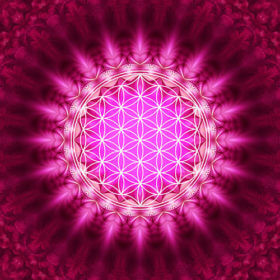
The Flower of Life is a geometric pattern consisting of evenly spaced, overlapping circles arranged in a flower-like formation. The symmetrical design creates a series of hexagons and complex shapes, forming a visually striking figure that has inspired artists, architects, and spiritual practitioners for centuries. Many people believe the Flower of Life represents the blueprint of creation itself, embodying the interconnectedness of all forms of life within the cosmos.
The Origins of the Flower of Life Symbol
The Flower of Life origins can be traced back to some of the earliest known civilizations. Archaeologists and historians have uncovered evidence of this symbol on monuments, temples, and manuscripts around the world, demonstrating its widespread and enduring appeal. One of the most famous historical examples is found at the Temple of Osiris in Abydos, Egypt, where the Flower of Life symbol is carved into stone and estimated to be thousands of years old. This ancient carving suggests that the Egyptians held the symbol in high regard, possibly associating it with creation, cosmic order, and the divine.
Additionally, the symbol appears in numerous other ancient cultures, including in parts of the Middle East, Europe, and Asia. In China, the Flower of Life symbol was associated with patterns found in traditional art, and similar geometric motifs appeared in Hindu and Buddhist mandalas. This suggests a shared, cross-cultural reverence for the symbol, likely linked to universal human themes of unity, spirituality, and the structure of the universe.
The Flower of Life in Sacred Geometry
The history of the Flower of Life is closely intertwined with the study of sacred geometry, an ancient discipline that sees certain shapes and patterns as foundational elements of the natural world. The Flower of Life represents one of the core shapes within sacred geometry, believed to contain the building blocks of life and the fundamental structure of existence. Some scholars and spiritual practitioners view it as a symbol of the "seed of life" or the "tree of life," echoing the interconnectedness of all living things and the concept of creation.
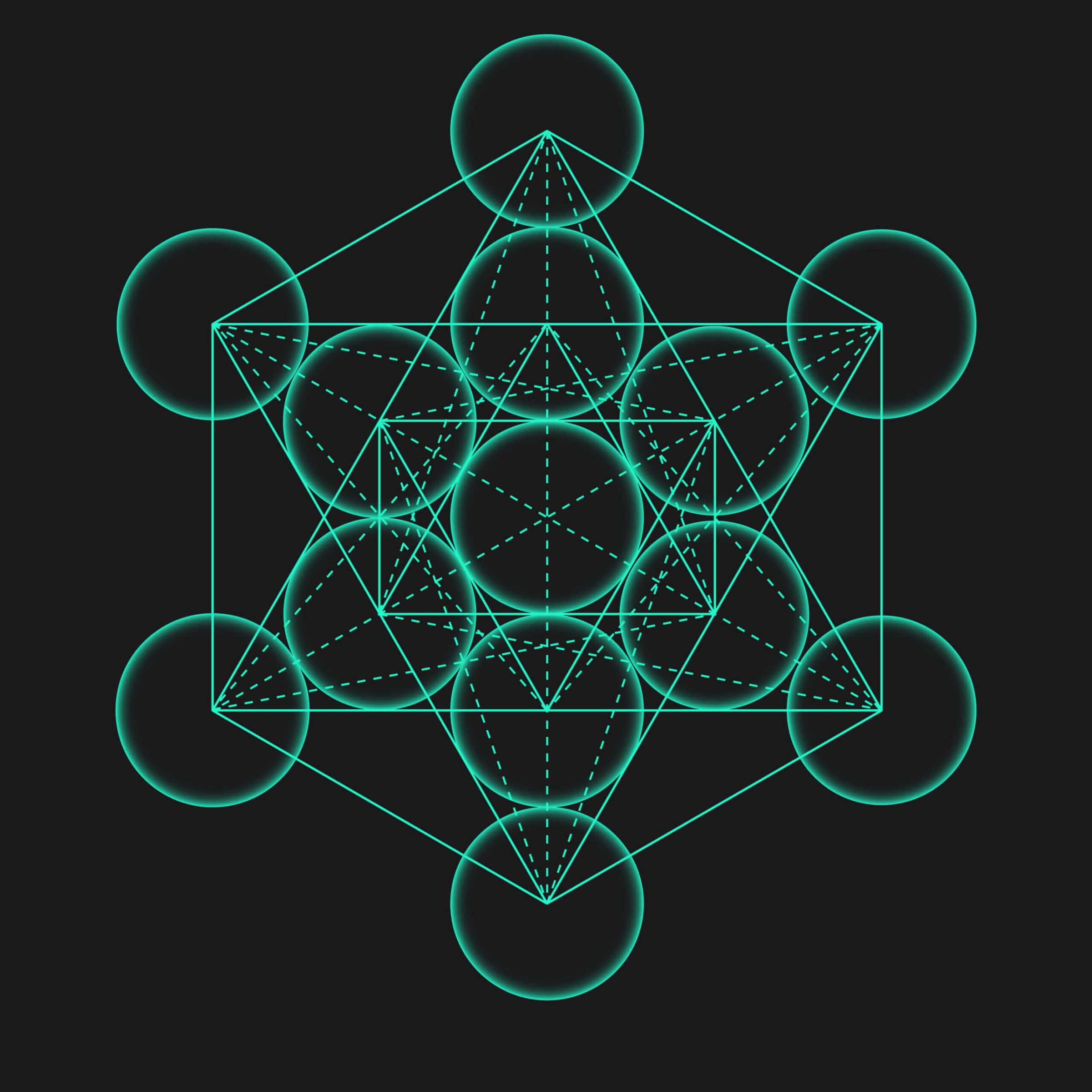
The pattern of the Flower of Life has inspired various religious and philosophical interpretations. It’s thought to hold symbolic meaning related to creation, infinity, and wholeness, drawing connections between the physical and spiritual worlds. In fact, within the geometry of the Flower of Life, it’s possible to locate other sacred shapes, such as the Vesica Piscis, the Seed of Life, and Metatron’s Cube, each of which holds its own spiritual and metaphysical implications.
The Flower of Life Throughout History and Culture
From the history of the Flower of Life in ancient Egypt to its presence in Renaissance art and modern spirituality, this symbol has maintained a powerful presence throughout human culture. In the Middle Ages, the Flower of Life appeared in religious and architectural motifs, from European churches to Islamic mosaics, illustrating its enduring appeal and significance. The symbol’s association with creation and divine symmetry makes it a timeless icon, resonating with both scientific and mystical perspectives on life and the cosmos.
In recent times, the Flower of Life has gained renewed popularity within the New Age movement and among those interested in spiritual and metaphysical practices. Modern interpretations often emphasize the symbol’s meaning as a reminder of interconnectedness, inner growth, and universal harmony, making it a popular design for meditation, art, and jewelry.
Final Thoughts
The flower of life history reveals a symbol that transcends time and culture, representing ideas of unity, creation, and sacred geometry. Its origins in ancient civilizations and continued relevance today reflect humanity’s enduring fascination with patterns, order, and the mysteries of existence. The Flower of Life not only embodies a historical legacy but also invites us to explore our own connection to the universe and our place within it.
Written by Diana Walker